
What Are the Conditions Under IGCR Rules, 2017?
The IGCR (Import of Goods at Concessional Rate of Duty) Rules, 2017 lay down specific conditions that importers must comply with to avail concessional duty benefits. These conditions are designed to ensure that the imported goods are used strictly for the declared purpose and prevent misuse of duty concessions. Valid Registration:The importer must obtain IGCR […]
Can You Apply for IGCR Without a Consultant?

The short answer is yes – you don’t need to hire a consultant to apply under the IGCR (Import of Goods at Concessional Rate) Rules. The process is designed for importers to manage on their own, provided they are comfortable with basic compliance and documentation. Hiring a consultant is optional. They can help if you’re […]
What is the perfect Format for an IGCR Application Letter?
When applying under the IGCR (Import of Goods at Concessional Rate) Rules, the way you structure your IGCR Application letter can make a big difference. A well-written application helps the customs officer quickly verify your eligibility and speeds up approval. Here’s the ideal format explained step by step: 1. Header:Begin with your company’s letterhead. Include […]
What Documents Are Required for IGCR Registration?
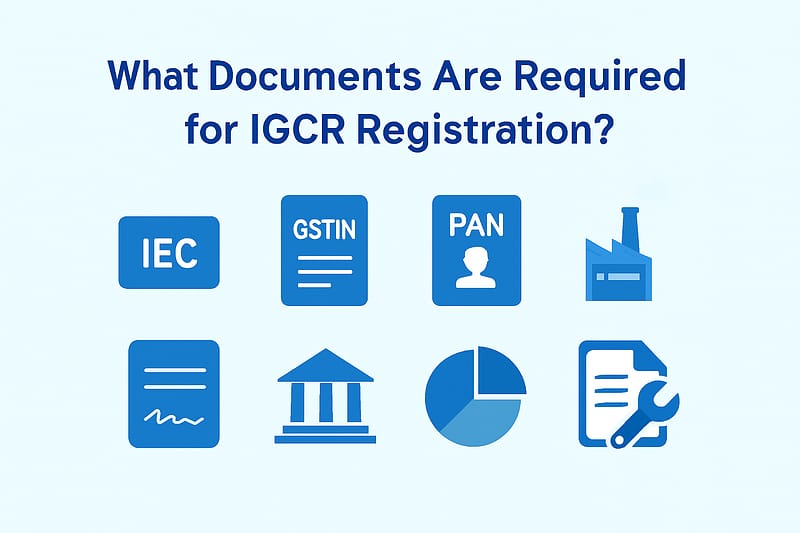
To avail the benefits of the IGCR (Import of Goods at Concessional Rate of Duty) Rules, 2017, businesses must register with Customs. The registration requires submission of specific documents that establish the importer’s identity, eligibility, and intended use of imported goods. The commonly required documents include: By submitting these documents, importers establish transparency and ensure […]
Is IGCR Available for All Businesses or Only Manufacturers?
The Import of Goods at Concessional Rate of Duty (IGCR) Scheme is primarily designed to benefit manufacturers, but it is not limited to them alone. The scheme extends to certain other businesses and sectors as well, provided they use the imported goods for eligible purposes defined under the IGCR Rules, 2017. 1. Manufacturers 2. Job […]
What Is the Difference Between IGCR and Regular Customs Duty?
The Import of Goods at Concessional Rate of Duty (IGCR) Scheme and regular customs duty differ mainly in purpose, applicability, and compliance requirements. 1. Applicability 2. Duty Rate 3. Purpose of Import 4. Compliance Requirements 5. Objective In summary, regular customs duty is the default tax on imports, while IGCR is a concessional scheme designed […]
Why was the IGCR scheme introduced?
Why Was the IGCR Scheme Introduced? The Import of Goods at Concessional Rate of Duty (IGCR) Scheme was introduced by the Government of India under the Customs (Import of Goods at Concessional Rate of Duty) Rules, 2017. Its primary aim is to promote domestic manufacturing and ease of doing business while ensuring compliance in the […]
What Are the Benefits of IGCR for Importers?
The Import of Goods at Concessional Rate of Duty (IGCR) Scheme offers significant advantages to Indian businesses engaged in manufacturing and production. It is designed to reduce costs, improve efficiency, and strengthen domestic industry. Key Benefits for Importers: In summary, IGCR empowers importers with lower duties, better access to resources, and streamlined compliance, making it […]
What Does IGCR Mean in Customs?
In Indian Customs, IGCR stands for Import of Goods at Concessional Rate of Duty. It refers to a scheme governed by the Customs (Import of Goods at Concessional Rate of Duty) Rules, 2017, designed to support domestic manufacturing and reduce costs for eligible businesses. Under IGCR, importers can bring in specified goods at a concessional […]
Who can issue Bank Guarantee?

A bank guarantee can only be issued by a scheduled commercial bank or a financial institution authorized by the Reserve Bank of India (RBI). These institutions have the legal standing and financial credibility to provide a guarantee to customs authorities, ensuring that the importer or exporter will meet their obligations. Entities Authorized to Issue Bank […]